


[ARTICLE] Navigating the Future in Online Language Learning
Navigating the Future in Online Language Learning
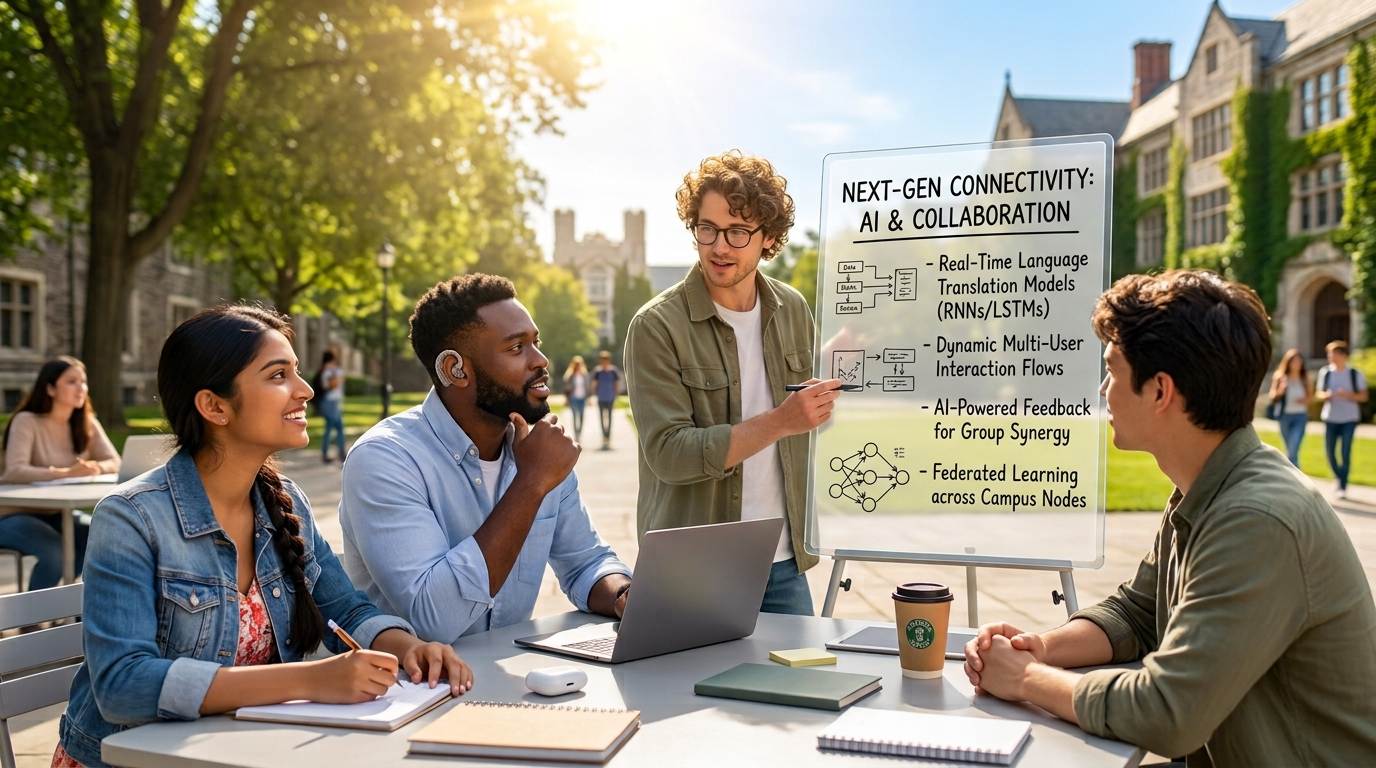
The world of language education has experienced a monumental shift over the past decade. What was once confined to physical classrooms, printed workbooks, and rigid schedules has rapidly expanded into a dynamic, tech-driven virtual landscape. Modern digital platforms are redefining how learners connect with language materials, instructors, and peers across the globe. Understanding the major trends driving online learning helps students maximize their digital study experience and achieve meaningful fluency.
The integration of advanced technologies continues to reshape how language is taught and acquired online. From artificial intelligence and automated feedback systems to mobile micro-learning apps, digital innovation has made language learning vastly more accessible and flexible.
As Hockly and Dudeney (2018) notes in her review of digital developments in English Language Teaching (ELT), emerging technological trends have profoundly impacted instructional methodologies, offering new frameworks for how technology can support and transform language learning. Today’s platforms no longer simply digitize traditional textbooks; they leverage adaptive algorithms to tailor lessons to individual progress, offer immediate corrective feedback, and provide realistic immersive environments. These technological advancements ensure that learners can study at their own pace while remaining consistently engaged with high-quality content.
While self-paced digital content is vital, real-time human connection remains at the core of true language acquisition. The rise of live, web-based classrooms has brought synchronous online instruction to the forefront of digital education. However, succeeding in a virtual classroom requires more than just logging into a video call; it demands specialized interactional skills tailored to digital environments.
Teaching and learning in live online settings present unique opportunities and challenges. Moorhouse et al. (2021) highlight the importance of “e-classroom interactional competencies,” demonstrating how teachers and learners use specific digital tools and strategies to mediate communication and foster collaborative learning during synchronous online lessons. Navigating digital whiteboards, text chats, breakout rooms, and virtual non-verbal cues allows learners to interact actively despite physical distance. Developing these digital interactional skills empowers students to participate fully in real-time discussions, building spontaneous conversational fluency.
The trends shaping online language learning reflect a broader evolution toward flexible, technology-enhanced, and globally connected education. By blending cutting-edge digital platforms with interactive synchronous learning, modern students have access to unprecedented opportunities for real-world practice. Embracing these online trends transforms language acquisition from a solitary task into an interactive, empowering digital journey.
References
Hockly, N. & Dudeney, G. (2018). Current and future digital trends in ELT. RELC Journal, 49(2), 164–178. https://doi.org/10.1177/0033688218777318
Moorhouse, B. L., Li, Y., & Walsh, S. (2021). E-classroom interactional competencies: Mediating and assisting language learning during synchronous online lessons. RELC Journal, 54(1), 114–128. https://doi.org/10.1177/0033688220985274
Comments :